

The MSLETB XRHub in Sligo recently welcomed partners from Denmark and colleagues from Education and Training Boards (ETBs) across Ireland for a specialised training programme focused on the use of immersive technology in wind energy education.
The visit brought together further education and training practitioners from eight ETBs who will be delivering the new Wind Energy with Immersive Technology Level 5 Micro Qualification, a programme designed to equip learners with industry-relevant skills for Ireland's growing renewable energy sector.
At the centre of the initiative is virtual reality training software developed by Danish company Kanda, which enables learners to experience realistic wind turbine environments before stepping onto a live work site. Through immersive simulations, participants can develop practical skills and confidence in a safe and controlled setting.
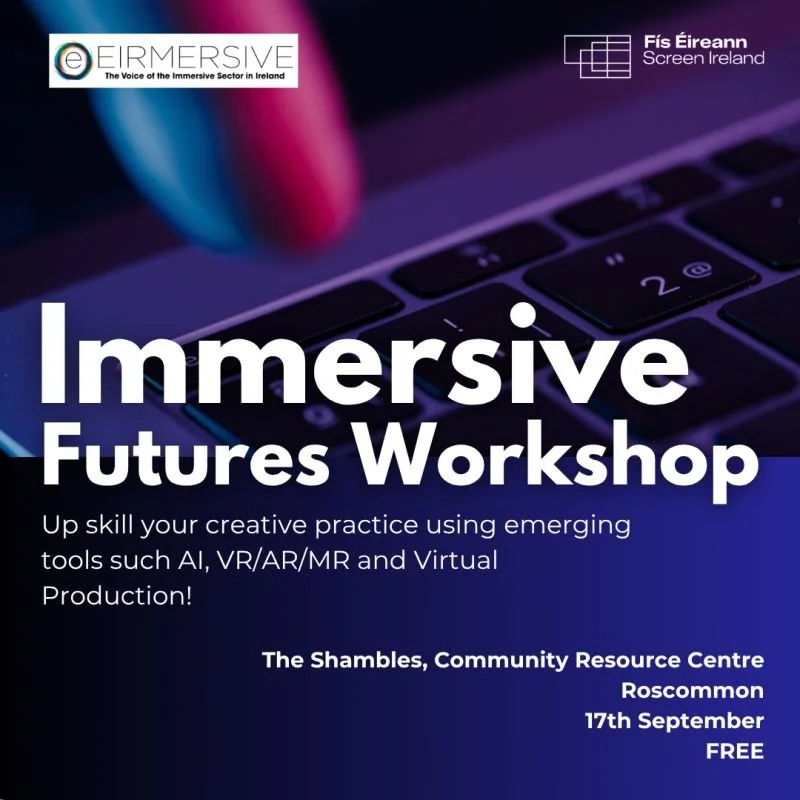
Dive into a full-day exploration of cutting-edge technologies, including AI, Immersive Technologies (VR/AR/MR) and Virtual Production brought to you by Eirmersive and funded by Fís Éireann/Screen Ireland.
Learn about tools such as Animotive, DeepMotion, LUMA AI, virtual production for 2D animation tool sets and AI-powered 2D-to-3D asset creation.
This workshop will give you insights into how emerging tools can become part of your workflow from a fantastic team made up of Camille Donegan, Sean Burns, Ryan Mckenna, Shane Ross Murphy and Jess Harkin.
Whether you’re a professional working in screen, gaming, animation, theatre or a tech-savvy creative or, you’re just curious, this workshop is designed to empower creatives with some of the most cutting-edge tools. Bring your own laptop so you can follow along and gain hands-on experience with the tech!
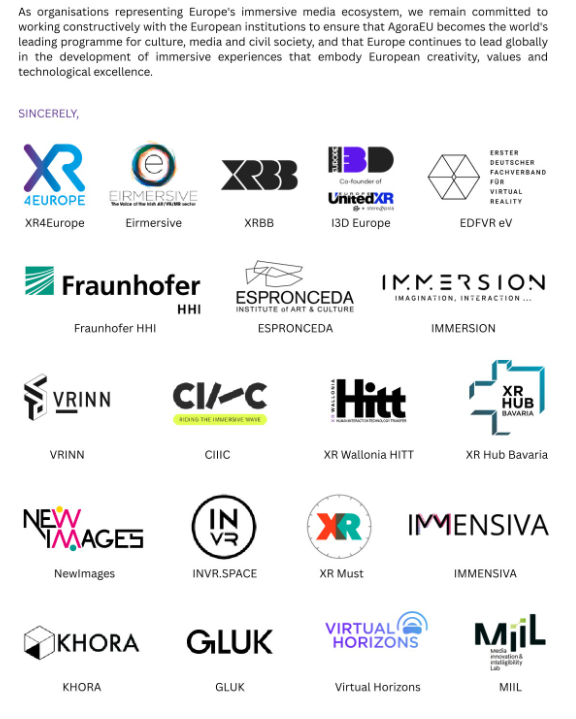
Ireland currently holds the Presidency of the Council of the European Union. That makes this the right moment to ensure immersive media has a place within Europe's future cultural and creative funding programmes.
Eirmersive has joined XR4Europe and organisations from 10 countries in calling for immersive media and XR to be explicitly recognised within AgoraEU's MEDIA+ strand (the replacement of the Creative Europe programme 2021-2027).
Without dedicated recognition, one of Europe's fastest-growing creative sectors risks being overlooked despite already being recognised within EU policy.
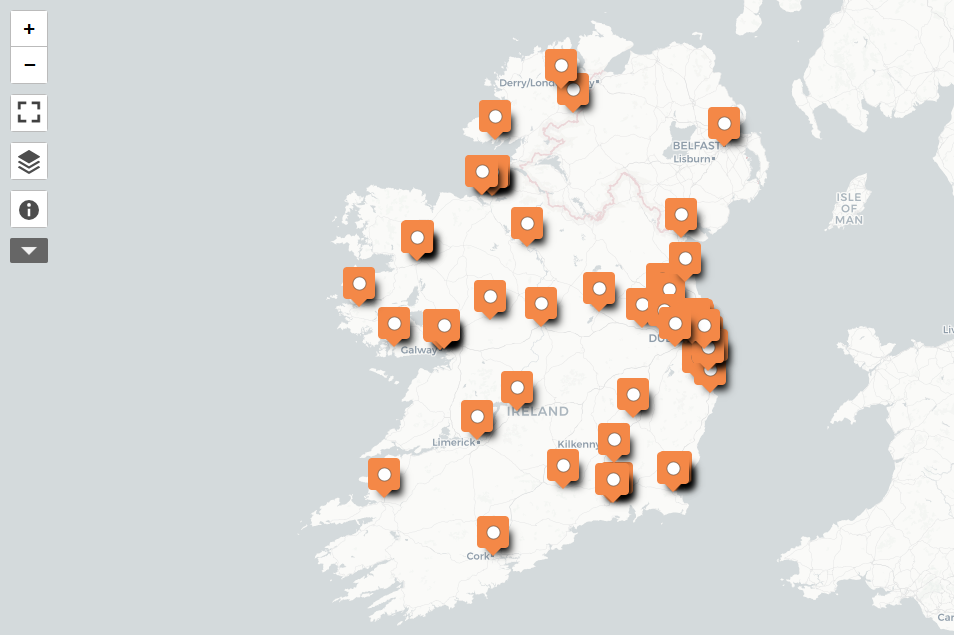
We're delighted to launch the new Eirmersive Member Map, a visual showcase of the organisations driving immersive technology innovation across the island of Ireland. Explore the map here: Eirmersive Member Map.
What stands out immediately is the geographic spread of our members. From established technology hubs to emerging regional centres of innovation, the map highlights a sector that is both growing and widely distributed across Ireland.
This is an important marker of the industry's evolution. Globally, immersive technologies such as XR, spatial computing and digital twins are moving from experimental applications into mainstream use across manufacturing, healthcare, education, training, culture and entertainment. As adoption accelerates internationally, Ireland's immersive sector is maturing alongside it.
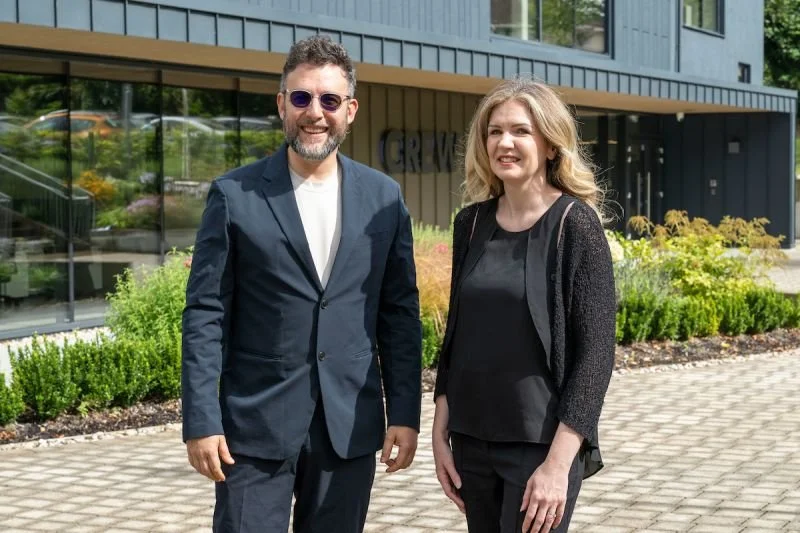
Eirmersive member JunieXR has been named the national winner of the 2026 Creative Business Cup Ireland, earning the opportunity to represent Ireland at the prestigious Creative Business Cup Global Finals in Copenhagen this August. The company will join creative startups from more than 60 countries to showcase innovation, connect with investors and industry leaders, and compete on the global stage.
Founded by Grace Dinan, JunieXR was recognised for JunieStream, an innovative accessibility solution that delivers sign language interpretation, adaptive captions and interactive viewing features directly within streaming platforms. By putting accessibility controls into the hands of viewers, without requiring a separate application or changes to the original content, JunieStream is helping broadcasters and content providers create more inclusive digital experiences.
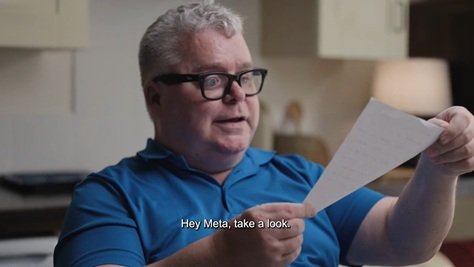
A major new initiative between Meta and Vision Ireland is set to bring AI-powered wearable technology to thousands of people across Ireland, demonstrating the growing potential of immersive and assistive technologies to improve everyday lives.
Meta has announced the donation of 15,000 Ray-Ban Meta AI Glasses to Vision Ireland, providing enough devices for every blind and visually impaired adult supported by the organisation. The programme represents one of the most significant accessibility technology initiatives undertaken in Ireland and highlights the real-world impact that emerging technologies can have when designed with inclusion in mind.
The Ray-Ban Meta AI Glasses combine wearable computing, artificial intelligence and hands-free interaction to assist users with a range of day-to-day tasks. Capabilities such as reading text aloud, identifying objects, providing information about…

Emagine officially launched an innovative new project at Askeaton Castle, Co. Limerick, in partnership with the Askeaton Heritage Society.
What began as a heritage and tourism initiative quickly evolved into something with a much broader purpose: improving access to Ireland's cultural heritage and enabling more people to experience places and stories that may otherwise be out of reach.
The project highlights a growing recognition that accessibility extends beyond physical infrastructure. It is about creating opportunities for people to engage, learn and connect in ways that reflect their individual needs and abilities.
Speaking at the launch, Carmel Ryan of the Askeaton Heritage Society captured this vision perfectly:
“People have abilities, and it’s up to every organisation to see that and accommodate their strengths.”
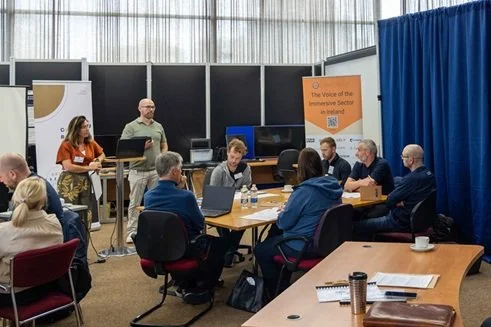
Manufacturing SMEs from across the island of Ireland recently gathered at Dundalk Institute of Technology (DkIT) for the PRISM Programme’s Paper Prototyping Workshop, the final in-person stage of a structured innovation journey designed to help companies explore the potential of immersive technologies, AI and digital twins within their operations.
Hosted in the Netwell Casala Innovation Lab at DkIT on 30 June, the workshop brought together participating companies and delivery partners to translate real-world manufacturing challenges into tangible solution concepts. Building on earlier mentoring sessions and challenge refinement activities, participants worked collaboratively to develop and visualise potential future solutions to operational issues within their businesses.
The event centred on a hands-on, paper-based prototyping approach. Through a series of facilitated exercises, participants…